Uncategory
In the Field Joint Care: Stay Healthy and Feel Good While You Hunt
I rolled over and knew I was screwed.
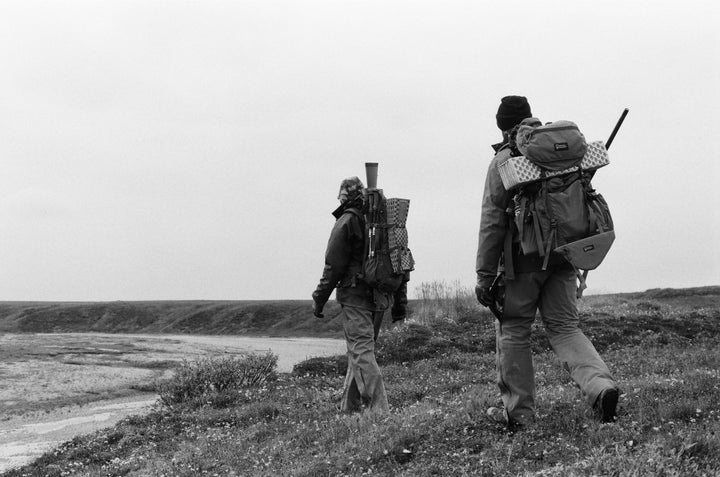
Two buddies and I were in the tent, miles from anywhere, on Alaska’s North Slope. We’d been camped on the tundra for about a week, hunting caribou. I was having some lower back trouble before I left Virginia for Alaska; congenital scoliosis catches up with you from time to time. Then I spent 500 miles seated in a cloth lawn chair stuffed between the driver and passenger seat of my buddy’s van. Then it was on to the tundra and the tent, sleeping on the ground and spending rainy days hunched over closed to the wood stove. It all added up.
I woke up to go about the day and felt a gnarly twinge in my lower back. Shit. Then I tried to stand up. No way, amigo. My back screamed at me and hunched me right over. I was locked in place, looking like Quasimodo, wondering how I would get out of the tent. A sharp stab of panic hit me. What in the hell was I going to do?
I laid back down, took a few breaths, and cleared my head. I HAD to fix this. There was no way I’d be a liability for my hunting partners. And I wasn’t spending the rest of the hunt in the tent nursing my back. It was time to move.
I rolled over and started doing cat cows. It hurt like the dickens, but I stayed in the range of motion that didn’t kill me and gradually increased how far I moved. Then I moved my hips around. Then I rocked back and forth. I tried standing up. The pain was still there, but I could almost stand upright. So, I dropped back down and did it all again. I was upright and mobile after a few rounds. Thank God.
Right after I fixed my back, we set off at a blazing clip across the tundra to head off some caribou and set my buddy up for his first big game kill. I got my back together just in time.
While that kind of sucked for me, there is good news. What worked to fix my back also works to keep you from getting into joint trouble in the backcountry, and it’ll keep you feeling good while you hunt.
Backcountry Joint Stressors
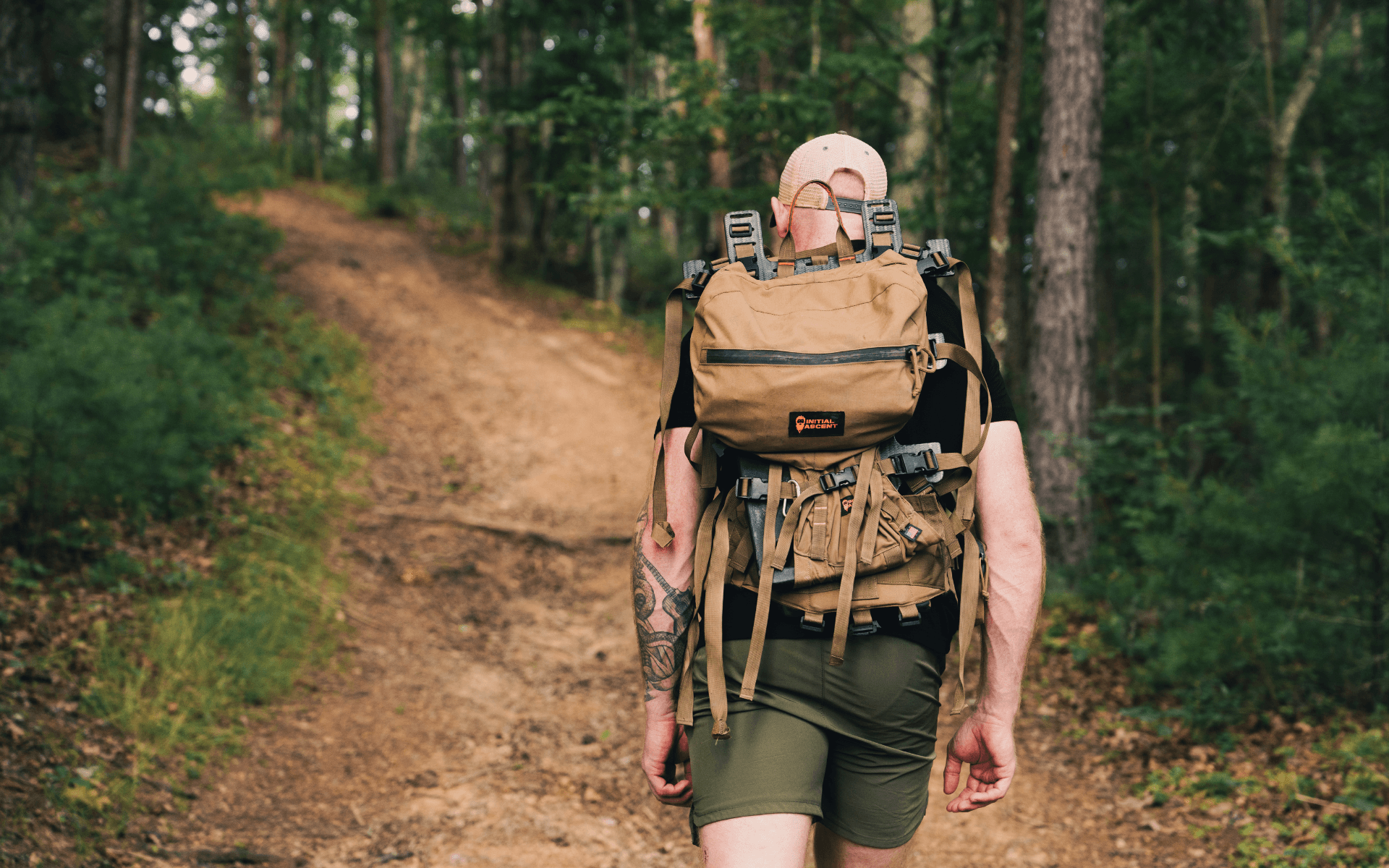
We all love the backcountry, and there’s no way we’ll stop going. We also know that it’s tough on our bodies. Sleeping on the ground does wonky shit to our back and hips. Carrying a heavy pack stresses, well, everything. And while we’re dealing with those stressors, we must cover miles per day, and we must maintain our ability to get into, and out of, awkward positions while stalking. Then, if we’re lucky, we have to maintain shooting positions that are often less than optimal.
Now, you could just go about your business. You could get up, have your coffee, and march to your glassing knob without considering your hips, shoulders, back, and neck. There’s a chance you’ll be just fine. But there’s also a chance that you won’t be as prepared as you could, or should, be to move into and out of awkward positions. There’s a chance that twinge in your shoulder takes up real estate in your mind when you’re setting up to shoot. Lack of focus causes you to pull your shot and miss, or worse, wound and not recover a critter.
Let’s take a few minutes per morning, and while we’re glassing, to take care of our joints. Below you’ll find a simple joint care routine that takes three minutes or less, and that you can do anywhere.
Your In-The-Field Joint Care Routine
Do one set of each of the following exercises as soon as you wake up in the morning and during breaks while glassing.
Hands-on-Knees Cat-Cow: 1 x 5 reps
Seated Ankle CARs: 1 x 3 reps per side
Trekking Pole Hip CARs: 1 x 3 reps per side
Trekking Pole Shoulder CARs: 1 x 3 reps per side
Neck CARs: 1 x 3 reps per side.
Feel Better, Hunt Better
Taking a few minutes throughout the day to move your joints, maintain your mobility, and make your body feel good does wonders for the quality of your trip. It can help keep your head in the game and ensure that you can hold an awkward position when it’s time to seal the deal.
(Photo credit: Elias Carlson)