Uncategory
Grouse at 8,000 Feet
My buddy looked at his watch and said, "We're at 7,944." He was talking about the elevation.
To get most of the way there, we drove up a sketchy-ass mountain road in the Chevy 2500 we'd rented. Boulders bounced us all over the road. Branches scraped the side of the truck with a squeal that sounded a lot like we'd be paying the rental company for a new paint job. But the road was narrow and the drop was steep and long. I was hugging that side.
Once parked, we had a mile and a half walk to the top where we'd hunt the timber downhill and back to the truck. Before we started walking, I looked at the road that led up the mountain and got excited. It was a steep, steady grade; I was looking forward to giving my legs a little work and maybe feeling a little burn in my lungs. I was, however, concerned about one of my friends.
He's 60 and has spent his whole life hunting in Pennsylvania. He hadn't been west since he was 16 when he went on a Colorado elk hunt that ended after a day because of a family tragedy that sent everyone home. While we have rugged terrain and steep grades in Pennsylvania, we don't have elevation. I thought the combination might smoke him.
"How ya doin' Barry?" I asked. I'd paused to look back and realized he was only 10 or so yards behind me.
"Doing good!" he said. His breathing was even; his gate was steady. I believed him.
Up we went and kept on going, putting up only one bird and missing it. Finally, we hit a saddle that had a meadow and we paused. That's when our other buddy gave us the elevation update. Everyone looked, and felt, great. Barry surprised me, but I shouldn't have been surprised.
See, Barry has trained his whole life. He ran half-marathons and trail races. He went to the gym and lifted weights. He's generally taken care of his body, at least taking his dogs on a walk every day and doing pushups in his house.
The guy is a testament to exercise's effect on longevity. Because he keeps moving, he moved right along up a mountain with guys at least 20 years his junior -- and he hung with us all week. It's because he made big exercise investments into his body when he was younger and he hasn't stopped moving.
But that's not all.
He has purpose.
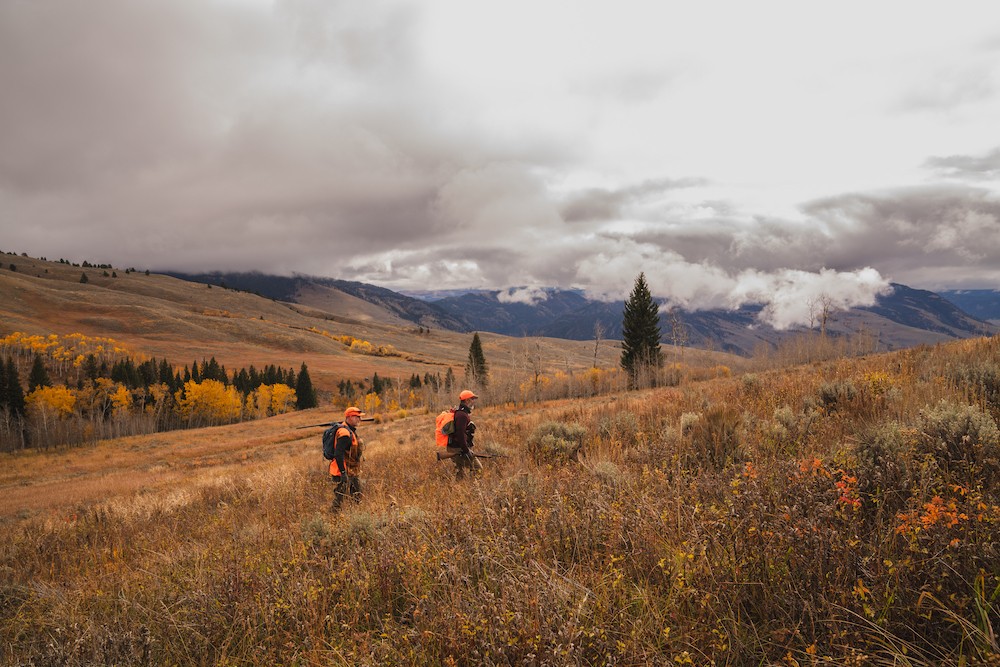
Our final hunt of the week was a grouse hunt in the Paradise Valley. We hiked a good piece up the mountain. Sage-covered slopes rose to rolling grass meadows which climbed to dark timber. Pushing the timber out, we put up one bird, but no one got a shot. And we didn't have a dog on this hunt, so we were left to zig-zag the area where we believed it landed and tell each other the hunt would be better with a canine.
We hunted on, pushing out the edges of other dark timber patches and worked our way back to the truck. As we downloaded our gear, Barry said to me, "This was awesome, and there are so many more hunts I want to do while I still can. Snow-capped mountains and a sweeping valley with a distant river provided the backdrop for such a statement. "I just feel like I'm running out of time," he finished.
"We all are," I replied.
"I know," he said, "but I want to use mine."
Barry wants to see more wild places and do more wild things before life inevitably takes his opportunities. He feels the clock ticking, as we all should. That drive gives him purpose, and that purpose keeps him moving.
I'm honored to be a part of Barry's efforts to see more wild places and do more wild things. Not only am I his hunting buddy, I'm also his coach. He's the newest member of the HPPM family. And I'll do my absolute damndest to make sure he walks up mountains for as long as he wants to.