Fitness Tips
Featured by Uncharted Supply Co: Build the Endurance to Get Yourself Out of Any Crisis
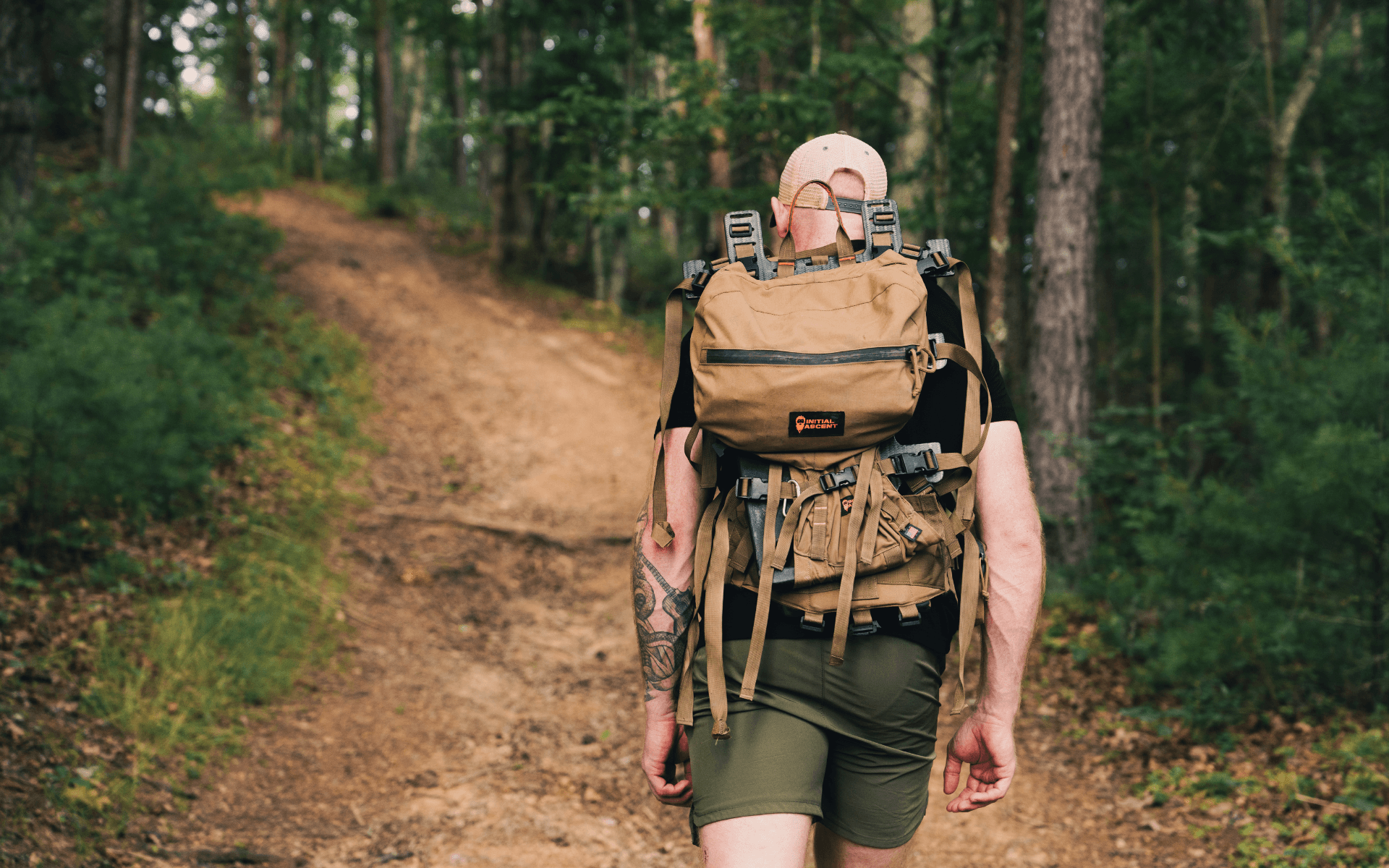
Folks do a lot of different things to prepare for a crisis. They stockpile food and water. They do the same with ammo. They compile the right gear, make escape and medial plans, and they do everyday things like never letting their vehicle get below a half-tank of gas. But they often ignore the most important piece of crisis planning: their body.
Your body is gear. When you neglect to care for important gear, it fails you when you need it most. There is no time that you need your body more than during a crisis situation.
The folks at Uncharted Supply Co. are all about preparedness. One of their four pillars of preparedness is Mental and Physical Fitness. So, Christian Schauf, the founder, and I chatted about how we might help folks better align with that pillar. I came up with a two-part article series on how to train for the endurance that makes a body a valuable piece of gear in a crisis.
If you want to make sure your body is an asset and not a liability in a crisis, read both parts and take action on the advice.
Here are the links:
How to Build the Endurance to get Yourself out of Any Crisis, Pt. 1
How to How to Build the Endurance to get Yourself out of Any Crisis, Pt. 2
Rather have the programming and guidance of a good coach to know your body is ready for anything?
Check out our Packmule Programs.
Recent posts
Related Articles

Mental Skills
May 12, 2026
How to Get More Out of Yourself with Good Self-Talk
Self-talk either makes or breaks our performance while also shaping our internal landscape and our identity. However, most hunters struggle with self-talk, especially during hard workouts and tough days in the mountains. They tend to talk to themselves like an enemy instead of a friend. The rise of positive psychology has also caused self-talk problems. It often motivates people to tell themselves flowery lies. Neither negative nor unrealistically positive self-talk works. Honest, instructional self-talk does.

Fitness Tips
Apr 30, 2026
Know How Hard You're Training: How to Condition Without a Heart Rate Monitor
The chest strap heart rate monitor is a great tool. I think every hunter who’s serious about improving their endurance should own one and use it during most conditioning sessions. But sometimes we head out the door and forget to toss it in the truck. And other times, it’s just not practical, like when we’re hunting but still want to keep tabs on how hard we’re working so we don’t gas ourselves out. Each of those scenarios requires us to learn how to dial in on how hard we’re training using feedback from our bodies instead of following the heart rate read out from our chest straps.

Nutrition
Apr 19, 2026
Fueling for Long Rucks, Runs, and Hikes
As a hunter, you’re a strength-endurance athlete. That means you need to eat and fuel more like an endurance athlete than a regular person who likes to go to the gym and workout. You’re training, not working out. Training requires a sound nutritional strategy.

Mental Skills
May 12, 2026
How to Get More Out of Yourself with Good Self-Talk
Self-talk either makes or breaks our performance while also shaping our internal landscape and our identity. However, most hunters struggle with self-talk, especially during hard workouts and tough days in the mountains. They tend to talk to themselves like an enemy instead of a friend. The rise of positive psychology has also caused self-talk problems. It often motivates people to tell themselves flowery lies. Neither negative nor unrealistically positive self-talk works. Honest, instructional self-talk does.

Fitness Tips
Apr 30, 2026
Know How Hard You're Training: How to Condition Without a Heart Rate Monitor
The chest strap heart rate monitor is a great tool. I think every hunter who’s serious about improving their endurance should own one and use it during most conditioning sessions. But sometimes we head out the door and forget to toss it in the truck. And other times, it’s just not practical, like when we’re hunting but still want to keep tabs on how hard we’re working so we don’t gas ourselves out. Each of those scenarios requires us to learn how to dial in on how hard we’re training using feedback from our bodies instead of following the heart rate read out from our chest straps.