Whitetail Hunting
Featured by Spartan Forge: How to Build Your Fitness While You Shed Hunt
I've started working with the folks at Spartan Forge to help folks improve their whitetail hunting fitness. Whitetail hunters aren't getting the fitness guidance they need and deserve. I'm changing that. While I love Western big game hunting and international mountain hunting, I am a whitetail hunter. Growing up in Pennsylvania and Virginia, whitetail hunting has always been a huge part of the hunting culture I was baptized into. The whitetail deer is the first big game animal I ever hunted, and killed. I imagine it will also be the last. And I will always vigorously pursue them.
I know there are a lot of hunters like me. We aren't content to sit in a tree stand and wait. We want to walk ridges and still hunt for big bucks, and we want to push back in on public land to saddle hunt during archery season. Each style of hunting requires a solid measure of fitness. Each also requires a lot of scouting and preparation.
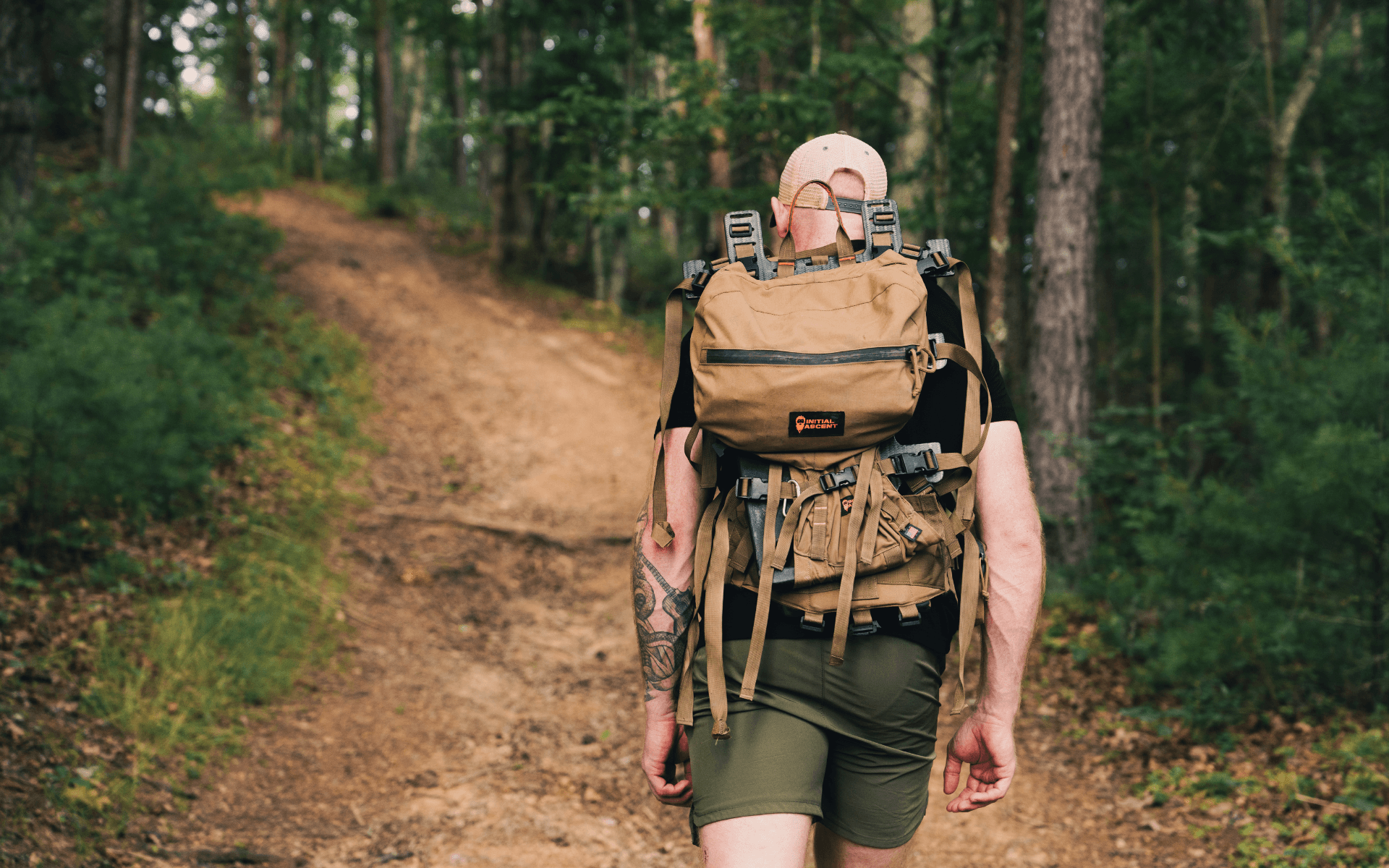
Many whitetail hunters spend the late winter and spring traversing the woods to learn about deer movement and find antler sheds. It's a great opportunity to kill two birds with one stone — learning about the animals we love and love to hunt, and building fitness in the process.
That's what I talk about in my first article for Spartan Forge. It details how to use rucking while shed hunting to improve your aerobic base and efficiency under load, and how to use natural movement through the woods to improve your mobility.
You can read the full article on the Spartan Forge website at the ink below.
Recent posts
Related Articles

Mental Skills
May 12, 2026
How to Get More Out of Yourself with Good Self-Talk
Self-talk either makes or breaks our performance while also shaping our internal landscape and our identity. However, most hunters struggle with self-talk, especially during hard workouts and tough days in the mountains. They tend to talk to themselves like an enemy instead of a friend. The rise of positive psychology has also caused self-talk problems. It often motivates people to tell themselves flowery lies. Neither negative nor unrealistically positive self-talk works. Honest, instructional self-talk does.

Fitness Tips
Apr 30, 2026
Know How Hard You're Training: How to Condition Without a Heart Rate Monitor
The chest strap heart rate monitor is a great tool. I think every hunter who’s serious about improving their endurance should own one and use it during most conditioning sessions. But sometimes we head out the door and forget to toss it in the truck. And other times, it’s just not practical, like when we’re hunting but still want to keep tabs on how hard we’re working so we don’t gas ourselves out. Each of those scenarios requires us to learn how to dial in on how hard we’re training using feedback from our bodies instead of following the heart rate read out from our chest straps.

Nutrition
Apr 19, 2026
Fueling for Long Rucks, Runs, and Hikes
As a hunter, you’re a strength-endurance athlete. That means you need to eat and fuel more like an endurance athlete than a regular person who likes to go to the gym and workout. You’re training, not working out. Training requires a sound nutritional strategy.

Mental Skills
May 12, 2026
How to Get More Out of Yourself with Good Self-Talk
Self-talk either makes or breaks our performance while also shaping our internal landscape and our identity. However, most hunters struggle with self-talk, especially during hard workouts and tough days in the mountains. They tend to talk to themselves like an enemy instead of a friend. The rise of positive psychology has also caused self-talk problems. It often motivates people to tell themselves flowery lies. Neither negative nor unrealistically positive self-talk works. Honest, instructional self-talk does.

Fitness Tips
Apr 30, 2026
Know How Hard You're Training: How to Condition Without a Heart Rate Monitor
The chest strap heart rate monitor is a great tool. I think every hunter who’s serious about improving their endurance should own one and use it during most conditioning sessions. But sometimes we head out the door and forget to toss it in the truck. And other times, it’s just not practical, like when we’re hunting but still want to keep tabs on how hard we’re working so we don’t gas ourselves out. Each of those scenarios requires us to learn how to dial in on how hard we’re training using feedback from our bodies instead of following the heart rate read out from our chest straps.